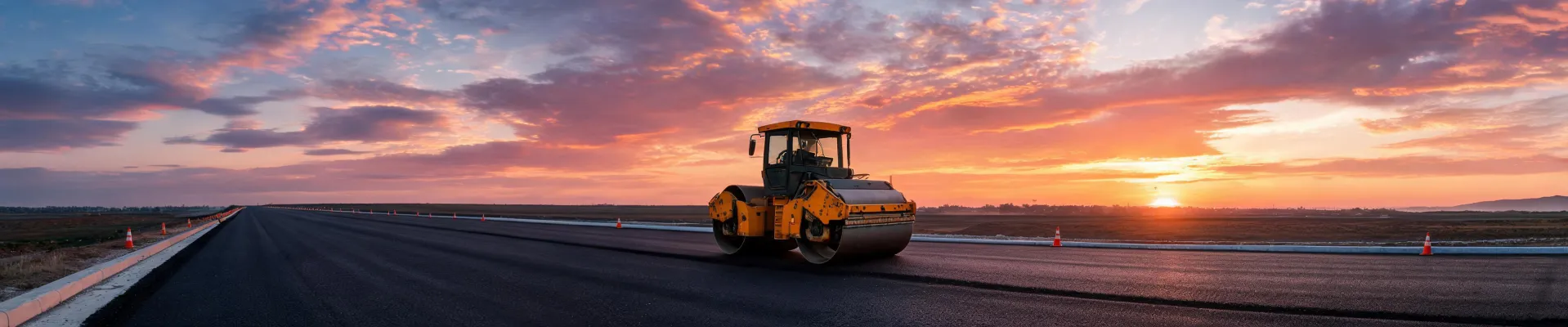
In 2017, I almost saved $11 on a hydraulic filter. Three months later, that savings turned into a $4,800 repair bill and a roller that sat in the shop for six days. The invoice is still pinned above my desk—mostly as a joke. It isn't funny.
I spent four years buying parts for a paving contractor. Now I work on the dealer side, which means I get to see the same mistake from both ends of the phone. I've made enough parts mistakes to keep a list. This was the most expensive one.
The Surface Problem: Price and Lead Time
A lot of the parts requests I get start the same way: “I need this part, what's the price, when can it ship?” That's fair. Nobody wants to overpay, and a roller sitting in the shop loses money for every day it's idle.
But after a few hundred parts orders, I think the surface problem is misleading. The hard part isn't finding a Dynapac part. It's finding the right part for your exact machine. The second one costs a lot more than the first one.
People type “Dynapac parts” into a search bar, click the cheapest listing, and send a screenshot to the shop. That workflow works until it doesn't. And when it doesn't, the machine is already down.
The internet removed the old barrier of not knowing where to look. It also removed the conversation that used to happen across a counter—the one where someone asks for the serial number before they type in a part number.
The Deeper Problem: Dynapac Parts Are Serial-Specific, Not Just Model-Specific
Here's the part that tripped me up. I thought the model number was enough. I was wrong.
Dynapac machines are built in production batches. Components change over time. A filter that fits a 2021 roller may not be correct for a 2024 roller with the same model name. A valve can look identical and behave differently. This isn't limited to Dynapac, but it's very visible when you're dealing with parts that have to handle hydraulic pressure, vibration, and heat.
When I check the OEM dealer portal, the first field asks for the serial number. Not the model number. The order is deliberate. The same model can have several engineering changes, and the serial number tells you which version you actually own.
That request annoys people. I know, because it used to annoy me. But it's not a delay tactic. It's the fastest way to get the right part.
My mistake in 2017 was buying by model number. The filter looked right, threaded on right, and even had the right paint on the can. But the part number had been superseded. For our machine's serial range, Dynapac had moved to a newer filter with a different bypass valve. The old filter was “compatible” in the loosest sense. It just wasn't correct.
Three months later, the service report said charge pressure was low and the pump showed wear. When I looked up the filter again, the current listing showed a different part number. The new version had a different bypass valve. I had installed the old design by saving $11.
To be fair, not every non-OEM part is a trap. For filters and wear items, some alternatives are fine. But for any part that controls pressure, flow, temperature, or safety, “close enough” is a gamble. If you're a roller compactor distributor, you already know the tension between stocking cheap parts and protecting your reputation. The roller catalog is the first step, but it can't tell you which superseded part number applies to a specific serial number. That's the dealer's job.
The Real Cost of a Good Deal
Now let me put the filter story into the terms that matter. The website price: $38. The dealer price: $49. The repair bill: $4,800. Ballpark, that is not a savings. That is a tax on guessing.
On a paving job, an hour of downtime doesn't just cost the hourly rate. The crew is still there. The asphalt is cooling in the truck. The plan for the day is gone. When a roller is down, the paver slows down, and then the whole train stops. A $50 part can shut down a $1 million spread.
A few years later, I made the same mistake at a bigger scale. I ordered a batch of filters from a non-dealer supplier because we were saving about $700 on a $2,800 order. The boxes looked right. The gasket didn't. We spent the next week quarantining every filter and reordering through the dealer. The freight and labor ate whatever we had saved. We didn't install a single one.
The most expensive part of a parts order isn't the part. It's the risk of being wrong. And the risk doesn't show up in a price comparison.
That's the real cost of a good deal. If the part fails after it's installed, you don't get your time back. You don't get the schedule back.
The Same Blind Spot Shows Up When You Choose a Paver for Wholesale
Buying a paver for wholesale puts the same trap on a bigger scale. Buyers compare pave width, engine power, and price. Those numbers matter, but they don't tell you whether the machine will fit the material, trucks, and jobsite conditions the end user will throw at it.
I once helped a wholesale customer configure a paving package. The budget was tight, so we went with a smaller screed than I originally recommended. On paper, it looked reasonable: enough width, enough tonnage, better price. In the field, the material was coarser than the screed was set up to handle. The mat segregated almost immediately. The crew spent two weeks trying to adjust before we changed the screed. That two-week delay cost more than the original discount we were chasing.
Wholesale is especially tricky because you're buying for an end user you may never meet. The safest paver is the one with room to handle variation—not just the one with the best specs on paper.
If you're asking how to choose a paver for wholesale, start with the same question I ask in every parts order: who will use it, what will they run, and who's close by when it breaks? If the quote doesn't answer those questions, it's not a deal—it's a red flag.
What I Do Differently Now
After enough mistakes, I keep a short checklist.
- Ask for the serial number first. Everything else can wait until you have it.
- Look up the part in the current Dynapac catalog, then have the dealer check for superseded part numbers.
- For hydraulic, electrical, or safety-related parts, buy through an authorized Dynapac dealer. It's a no-brainer.
- If you're a roller compactor distributor, build your stock around serial-number-driven demand and stay up to date on part changes.
- For paver wholesale decisions, write down the material types, mat widths, lift depths, and support expectations before you compare prices.
The industry has changed a lot since 2017. Online ordering, dealer portals, and digital catalogs are all better tools than we had back then. But the fundamentals haven't changed: you still need the right part number, matched to the right serial number, backed by someone who stands behind it.
I still buy cheap parts sometimes. But only for parts that can't hurt me if they're wrong. For anything that filters, moves, or controls the machine, I call the dealer. That $11 lesson was expensive, but it's also the best one I've got.